Menopause Is Not a Shield Against Breast Disease
A woman in her nineties was diagnosed with breast cancer. Professor Du Zhenggui addresses the myths behind the question "but I have gone through menopause".
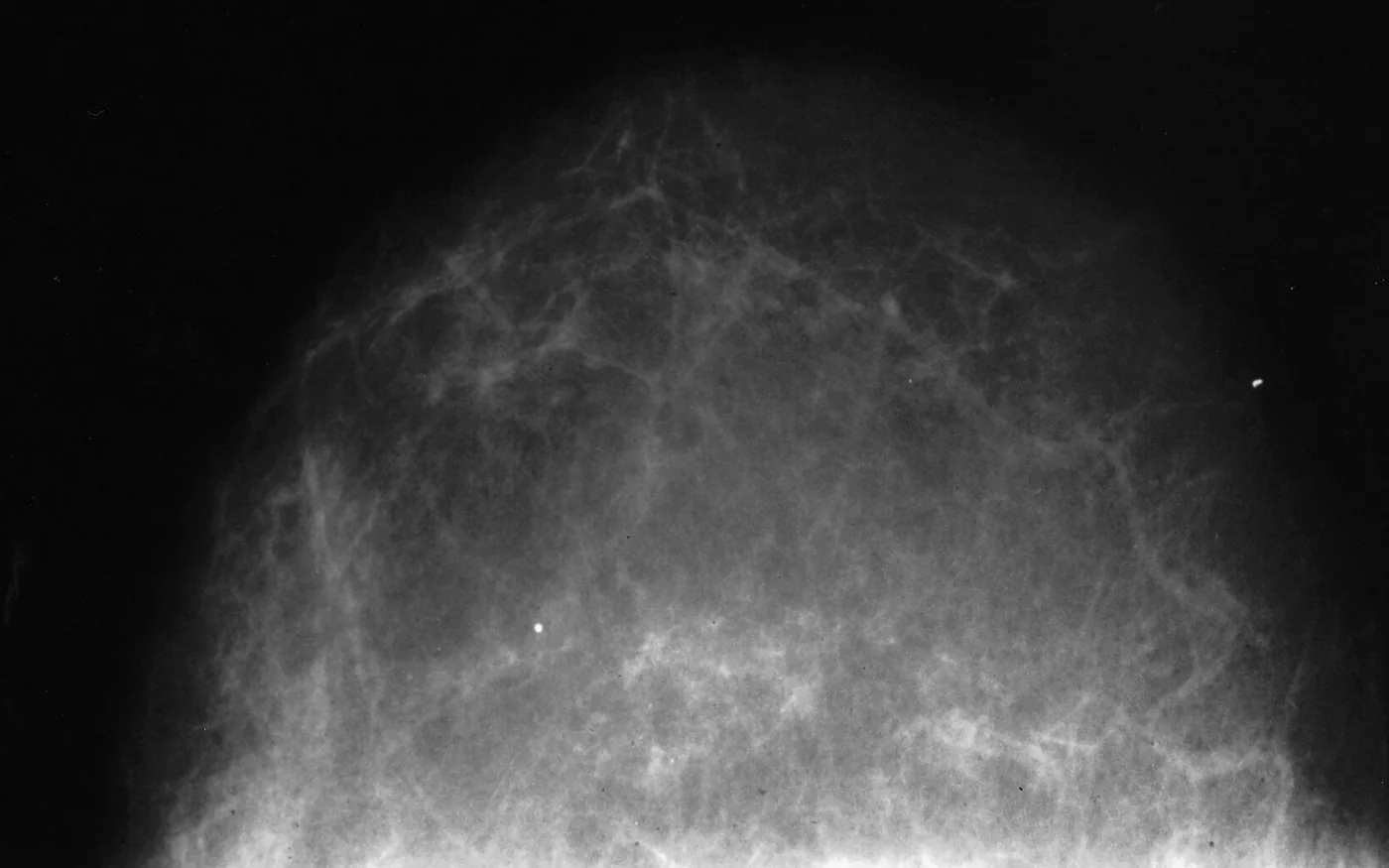
Patient
"Doctor, my grandmother is ninety. She went through menopause decades ago — how can she have breast cancer?"
Patient
"Doctor, I am 56 and I have just been told I have a breast cyst. How is that possible after menopause?"
Patient
"Doctor, if I have breast nodules, won't they settle down once I reach menopause?"
These questions, asked in clinic almost every week, reflect a widespread belief: that after menopause a woman can relax and put breast disease behind her. Many people assume breast problems belong to growth and breastfeeding — that once ovarian function declines and oestrogen falls, breast tissue enters a "safe period". Medicine tells a different story.
Myth one: breast disease is a young woman's problem
Asked about the claim that "patients are mostly in their thirties and forties", Professor Du Zhenggui — Party branch secretary of the Breast Disease Centre and deputy director of breast surgery at West China Hospital, Sichuan University — points to the clinical data:
"Looking at breast clinics across China and worldwide, there is no single peak age. Breast disease runs through a woman's whole life, and the trend towards younger patients is clear — girls around the age of menarche are not an exception."
Myth two: menopause is a get-out-of-jail card
The idea that menopause ends your risk of breast problems is, Professor Du says, a serious misunderstanding.
"Menopause does bring a large fall in oestrogen — but that is not zero. Fat and other peripheral tissues contain aromatase, which keeps converting androgens into oestrogen. More importantly, breast disease has complex causes: genetics such as BRCA mutations, environment, lifestyle, previous history. No single hormone governs it. There is no scientific basis whatsoever for the idea that menopause means immunity."
What to do instead: know your risk, manage it actively
For a risk that cannot be eliminated entirely, Professor Du argues for a practical, evidence-based approach:
- Build the foundation: regular exercise, a balanced diet, adequate sleep, managed stress. These controllable factors make up roughly 80% of the defence.
- Screening beats guessing: whatever your age and menopausal status, regular professional breast assessment (clinical examination, ultrasound, mammography or MRI) remains the gold standard for early detection. Changes inside the breast are often silent; screening is the only early-warning radar.
- Handle a diagnosis calmly: benign findings such as cysts or fibroadenomas that do not affect daily life can simply be observed and followed up as advised. Malignant disease is serious, but caught early the cure rate is very high — timely, standard treatment is what matters.
Breaking the myth that menopause means safety is the first step in breast health management for older women, Professor Du says. Breast health runs through a woman's life and deserves attention after menopause as well: put regular professional screening on the routine list, keep lifestyle factors in order, and the later decades get a solid foundation.
There is no room for luck in health — and no need for panic either. Sound knowledge and active steps are what actually work.
Read next
The articles above are general health education, not a substitute for professional medical advice. Decisions about your own treatment belong with your surgeon. Patient names are as published in the hospital's original articles.
Contact our team