Cancer Removal and Reconstruction in One Operation
Three surgical options were on the table. The patient was small-breasted and wanted to keep her shape — here is how the choice was made, and what it cost.
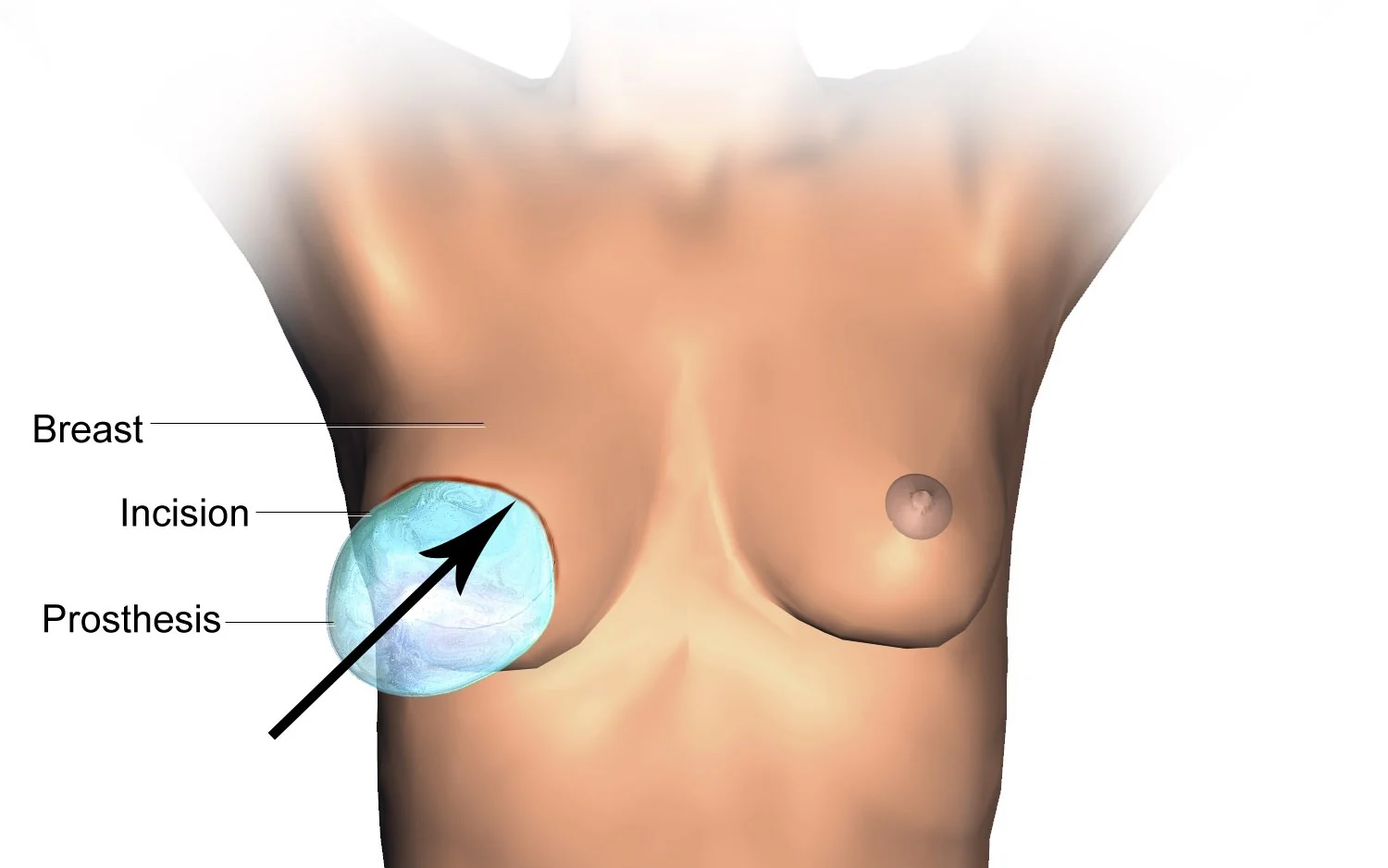
On 13 November 2020 the team of Professors Lü Qing and Du Zhenggui at West China Hospital completed surgery for a patient with breast cancer. It used the technique the team developed — non-liposuction reverse-sequence endoscopic subcutaneous mastectomy with one-stage implant reconstruction and contralateral endoscopic augmentation — so that while the cancer was treated, the appearance of the breast was "incidentally" changed to meet the patient's own aesthetic goals. She went home well on the 18th.
Breast cancer surgery is chosen patient by patient
Dr Xie Yanyan of the Lü Qing / Du Zhenggui team explains: the operation has to be chosen after weighing the disease, the patient's own build, the chest wall wound left by removing the breast, and the shape of the opposite breast — to find the option that gives the best oncological result, the least trauma and the best social and quality-of-life outcome, that is, the best cosmetic result.
Zheng noticed a dull pain in her left breast in September. On medical advice she had an ultrasound, which raised concern about a lump; on 30 September she had a core biopsy, and on 15 October a first pathology report was inconclusive, needing immunohistochemistry. On 28 October immunohistochemistry confirmed ductal carcinoma in situ. She was admitted on 12 November.
Dr Liang Faqing explained the three options: breast-conserving surgery, subcutaneous mastectomy, or simple (total) mastectomy. The terms are worth unpacking — breast conservation removes the lump and a margin of normal gland but requires radiotherapy afterwards; subcutaneous mastectomy removes all the gland while keeping the skin, nipple and areola; simple mastectomy removes the breast including skin, nipple and areola, leaving a visible scar on the chest wall.
After talking it through with the junior doctors, Zheng chose breast-conserving surgery. When Professor Du saw her on his ward round he noted that both her breasts were flat. He explained that after conservation she would still be flat, and with little glandular tissue the symmetry might be poor; that radiotherapy would be needed, with some risk of cardiac injury and radiation pneumonitis; and that while conservation does not compromise survival, it can slightly increase the risk of local recurrence. After an honest conversation he recommended removing the gland — and proposed an entirely new plan that protected the oncological result.
Scarless reconstruction, plus the opposite side
A breast is a symbol of confidence and beauty, and for Zheng as well. She said she had not believed she had cancer at first, and that losing the breast was something she simply could not accept:
"It may be small, but without it I still feel hollow."
Breast conservation or reconstruction removes that fear. Once conservation was ruled out, Professor Du explained the difference between latissimus dorsi reconstruction and implant reconstruction: the latissimus approach needs surgery on the back and on the affected breast, and while the two sides would then match, they would match at her existing (flat) size. With implants, because her left gland would be removed entirely, the two sides would still differ — but if the right side were augmented at the same time, symmetry would be much better; and with the team's technique there would be no scar on the breast at all, invisible even in a bikini. With the options laid out patiently, Zheng settled on implant reconstruction.
After surgery Zheng said she was very satisfied. The incisions were small and unobtrusive: both in the armpits, plus a 5 mm incision beside the left areola. Removing the whole gland also lowers the risk of local recurrence. And at a public hospital like West China, a breast augmentation that would cost well over 100,000 yuan elsewhere came with the cancer operation using identical implants — for 40,000.
Two ways to rebuild, and how they compare with the old ones
Reconstruction is either implant-based or autologous. The classical versions leave a large scar on the breast or on the donor site (abdomen or back). Robotic surgery and conventional endoscopic reconstruction can place the incision in the armpit, but both take a long time — at least four to five hours — and robotic surgery adds a 40,000 yuan start-up fee that many patients cannot bear.
The technique developed by Professors Lü Qing and Du Zhenggui brings implant reconstruction down to a little over an hour, with smaller incisions; even with the cancer surgery added, it is about two hours in total. That spares the patient extra physical trauma and relieves the psychological and emotional strain, improving quality of life — you can go to a hot spring with friends, or wear a bikini at the beach.
Zheng noted how seriously Professor Du takes his work and how patient he is with questions: he spent more than two hours with her, until about ten at night, going through the surgical options and the differences between them.
Breast cancer is a nightmare a woman does not easily forget, and however advanced modern medicine becomes, it adds a psychological burden. Regular self-examination matters; after diagnosis, engage with treatment, make the decision once the plan is clear, stay optimistic, follow the advice of the clinical team — and trust that your doctors will look after you.
Read next
Stories are published with consent and with names changed. Every patient is different — your treatment plan is decided with your own surgeon.
Consult about a similar case